An Extensive Summary of the Background and Development of Metal Casting Practices
Steel spreading has actually played a crucial duty fit human civilization. Its beginnings trace back to ancient artisans that crafted tools and ornaments from liquified metals. Over time, methods progressed alongside social impacts, bring about considerable advancements. The Industrial Revolution marked a turning factor, presenting mechanization and new methods. Today, the market is checking out lasting techniques and ingenious modern technologies. Recognizing this development discloses not only the virtuosity however additionally the influence of metal casting on contemporary culture.
The Origins of Metal Spreading: Old Strategies and Products
The method of steel spreading traces its roots to ancient civilizations, where very early artisans used the residential properties of liquified metals to produce tools and attractive items. These artisans mostly utilized copper and gold because of their pliability and reduced melting factors, using strategies such as sand casting and lost-wax spreading. Sand spreading included developing a mold and mildew from sand, while lost-wax spreading permitted detailed layouts by developing a wax model that thawed away throughout the procedure. The capability to cast metals reinvented manufacturing, making it possible for the creation of more sturdy and efficient tools compared to their rock precursors. As understanding spread, various cultures adapted these strategies, adding to the development of metalworking. The appearance of metal spreading marked a considerable milestone in human history, facilitating advancements in war, artistry, and agriculture, inevitably preparing for future developments in metallurgy and production procedures.
The Advancement of Bronze and Iron Casting
Developments in metal casting strategies brought about the development of bronze and iron spreading, noting a considerable development in material use and modern technology. Bronze, an alloy of copper and tin, arised around 3500 BCE, offering enhanced durability and resistance contrasted to its precursors. This advancement allowed artisans to create elaborate tools, weapons, and ornamental products, which added to the surge of intricate cultures.
Iron spreading followed, getting prestige around 1200 BCE. The intro of actors iron, created by melting iron and putting it right into mold and mildews, changed numerous markets. This material was more powerful and more bountiful than bronze, facilitating mass production of devices and weaponry. The capability to cast iron allowed the building of bigger, extra long lasting frameworks, eventually transforming both military and agricultural methods. Jointly, the advancements in bronze and iron spreading not just advanced technical capabilities yet also laid the foundation for future metallurgical developments.
The Influence of Society and Art on Casting Practices
Cultural symbolism plays a considerable role in metal casting, affecting the layout and function of actors things across various cultures. Imaginative methods and designs have advanced, reflecting the worths and looks of various cultures throughout history. This intersection of culture and virtuosity not only forms the physical attributes of cast products yet likewise imbues them with deeper significance and value.
Social Significance in Casting
Throughout history, metal casting has offered as a canvas for social expression, reflecting the values, ideas, and aesthetics of diverse cultures. Each culture imbues its actors steel items with particular meaning, usually communicating themes associated with power, spirituality, and identification. For instance, old human beings utilized casting techniques to create deities and ceremonial artifacts, embodying their religious convictions. In comparison, medieval European craftsmens generated elaborate metalwork that signified condition and wealth. Furthermore, native teams used metal spreading to forge products that represented their connection to nature and neighborhood. Because of this, the steel casting process goes beyond simple performance, becoming a necessary medium whereby cultural stories and heritage are popular and maintained across generations.
Imaginative Methods and Styles
Creativity in steel spreading has actually advanced substantially with time, shaped by the cultural contexts and imaginative activities of numerous societies. From ancient people to contemporary art kinds, methods have actually varied extensively, influenced by spiritual beliefs, social structures, and technical advancements. As an example, the detailed styles of bronze sculptures in ancient Greece reflected not only technical skill however also philosophical suitables of charm. In comparison, African metal spreading typically highlighted useful items, combining creativity with utility. The rise of modern-day art presented abstract forms, enabling musicians to check out brand-new materials and cutting-edge spreading techniques. Today, musicians proceed to bring into play historical styles while integrating modern influences, resulting in diverse expressions that recognize custom while pressing the borders of creativity in metal casting.
The Industrial Transformation: Changing Steel Casting
The Industrial Revolution noted an essential shift in metal spreading methods via considerable innovations in casting techniques. The surge of automation allowed faster and a lot more reliable production procedures, greatly enhancing production volume. This makeover not only boosted the abilities of metal casting however additionally set the stage for contemporary commercial methods.
Developments in Casting Strategies
Technologies throughout the Industrial Change dramatically changed metal casting techniques, leading the means for greater efficiency and accuracy. Key improvements consisted of the intro of the cupola heating system, which permitted constant melting of iron, significantly raising manufacturing rates. The growth of sand casting methods boosted the quality and uniformity of actors items, while making use of patterns made from metal further enhanced accuracy. Furthermore, the unification of boosted alloys and additives caused stronger and much more resilient castings. The change from artisanal approaches to extra organized techniques marked a significant modification, allowing suppliers to fulfill the climbing needs of industrialization. These innovations not only optimized procedures but additionally broadened the applications of steel spreading across numerous industries.
Rise of Mechanization
As automation held throughout the Industrial Revolution, metal casting experienced a profound transformation that transformed production techniques. The intro of steam power and mechanical devices streamlined processes, enabling more regular and reliable manufacturing. Conventional handcrafting strategies offered way to machine-driven operations, which reduced labor expenses and reduced mistakes. Innovations such as the molding device and automatic pouring systems substantially boosted the rate and precision of spreading. Furthermore, using standardized mold and mildews facilitated a consistent result, more improving the high quality of cast products (Metal Casting). This change not just raised the ability for large-scale production yet likewise laid the foundation for modern-day production techniques, placing automation as a cornerstone of the progressing metal casting market
Effect on Manufacturing Quantity
Industrial developments throughout the Industrial Change substantially enhanced production volume in steel casting. The click here introduction of steam power and mechanized processes enabled faster and extra efficient melting and molding of metals. Factories began taking on production line methods, which structured manufacturing and reduced labor prices. Innovations in heater design and making use of iron and steel improved the top quality and longevity of cast items, satisfying growing industrial demands. In addition, the rise of transportation networks promoted the distribution of cast products, further stimulating production. Consequently, these developments not just broadened the range of steel spreading operations but likewise diversified the series of applications, placing metal casting as a crucial element of commercial development during this transformative period.
Modern Casting Techniques: From Sand to Financial investment
While traditional techniques of steel casting have served the market for centuries, modern-day spreading techniques have actually advanced considerably, offering enhanced accuracy and performance. Contemporary approaches include sand casting, investment spreading, pass away spreading, and lost foam casting, each tailored to specific applications and products.
Sand casting remains prominent because of its flexibility and cost-effectiveness, ideal for large-scale production. Investment spreading, understood for its capability to create intricate styles, utilizes a wax pattern coated with ceramic, enabling for high dimensional precision. Die casting, frequently employed for non-ferrous steels, supplies quick manufacturing prices and remarkable surface area finishes, making it ideal for mass manufacturing.
Lost foam spreading offers a special approach by utilizing a foam pattern that evaporates throughout the pouring procedure, making it possible for complicated shapes without the requirement for added cores. Collectively, these modern casting approaches reflect the market's dedication to enhancing high quality, lowering waste, and improving production capabilities.
Technologies in Materials and Technologies
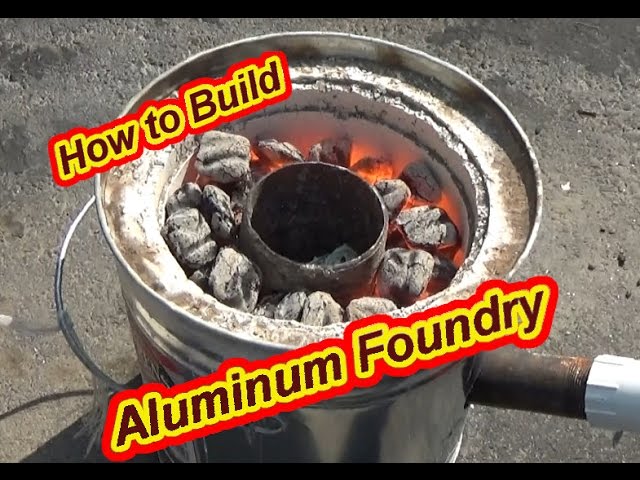
In addition, the introduction of 3D printing technology has actually changed mold-making procedures, enabling rapid prototyping and reduced preparations. This innovation helps with the creation of detailed styles that would be difficult or difficult to accomplish with typical methods.
Moreover, computer system simulations and modeling have actually come to be essential tools, enabling designers to predict casting issues and optimize styles before manufacturing. Such developments decrease product waste and boost performance, standing for a significant jump forward in metal casting methods. In general, these advancements have redefined the abilities of the market, driving it toward greater precision and efficiency.
The Future of Steel Spreading: Sustainability and Improvements
As the steel spreading market looks towards the future, sustainability and technical developments are positioned to play pivotal roles in forming its development. Raising pressure to reduce carbon footprints has resulted in the adoption of green practices, such as reusing scrap steel and using renewable resource resources in manufacturing procedures. Advancements in materials scientific research are likewise changing the landscape, with the growth of lighter, more powerful alloys that enhance item performance while reducing waste.
Moreover, advancements in automation and digital technologies, consisting of 3D printing and expert system, are improving operations, lowering prices, and improving accuracy. These technologies make it possible for much more efficient layouts and faster prototyping, facilitating personalized services for varied industries. As the sector embraces these modifications, it will not only enhance operational effectiveness however likewise contribute to a much more sustainable future, straightening with global environmental goals and consumer needs for responsible production practices. The future of steel casting is consequently readied to be both diligent and cutting-edge.
Frequently Asked Inquiries
What Are the Ecological Effects of Steel Casting Practices?
Exactly How Do Casting Flaws Influence Item Top Quality and Security?
Casting flaws greatly endanger product top quality and security by introducing architectural weak points, leading to possible failings under stress. These flaws can cause expensive recalls, minimized performance, and raised liability for manufacturers otherwise dealt with effectively.
What Qualifications Are Needed for a Job in Steel Casting?
A job in steel spreading generally calls for a high college diploma, technical training in metallurgy or engineering, and experience in producing processes. Accreditations in safety and high quality control better enhance work prospects in this area.
How Does Metal Casting Contribute to Modern Manufacturing Processes?
Steel casting considerably enhances modern production by allowing the production of complex shapes, decreasing product waste, and permitting for automation (Aluminum Casting). Its convenience and performance improve procedures throughout various markets, driving innovation and economic growth
What Are the Costs Associated With Steel Casting Workflow?
The costs related to metal casting procedures consist of raw materials, labor, power consumption, devices maintenance, and waste management. These expenditures can differ substantially based on the intricacy of the casting procedure and production volume.
The practice of steel casting traces its origins to ancient human beings, where early artisans harnessed the homes of liquified steels to produce tools and decorative items. These craftsmens primarily used copper and gold due to their malleability and lower melting factors, employing methods such as sand spreading and lost-wax casting. Sand casting included creating a mold and mildew from sand, while lost-wax casting enabled for intricate designs by producing a wax design that melted away during the procedure. Advancements in metal casting strategies led to the advancement of bronze and iron spreading, noting a substantial evolution in product usage and modern technology. While typical methods of steel casting have offered the sector for centuries, modern-day spreading methods have developed substantially, offering enhanced precision and efficiency.